



Easter is one of the most special times to travel, combining traditions, local customs, and a deeply spiritual atmosphere. These elements come together to create the unique setting of Holy Week.
In Greece, there are many beautiful places to visit during Easter. However, Empiria Cultural Magazine suggests the following top five destinations.
1. Paravola – Agrinio:
Paravola is a village in Aetolia-Acarnania where, every Easter, the central square “fills” with the smell of gunpowder and bursts of fire. The custom dates back even before the Ottoman era, and the locals still keep it alive today.
On the night of the Resurrection, the “chalkounades” take to the square with chalkounia, creating a spectacular atmosphere. Chalkounia are cylindrical torches made from a combination of materials. First, cardboard is shaped into a cylinder. Then, the inside is filled with gunpowder and iron filings, known as “alimoudoura,” while newspapers are used as a base for handling.
The mixture ranges from 260 to 300 grams. In the final stage, some are pierced to create a stronger effect, while others remain intact for a milder one. It is worth noting that chalkounia are also used in the city of Agrinio, but the tradition is believed to have originated in Paravola.
2. Chios:
The “Fragrant Island” is famous for its mastic trees, but at Easter, the spotlight is on the spectacular rocket war.
This custom dates back to the Ottoman era and represents a “battle” between the parishes of Saint Mark and Panagia Erithiani. The two churches stand on opposite hills about 500 meters apart. According to tradition, it began with children throwing stones using slingshots. Over time, adults joined in, replacing slingshots with early firearms and later small cannons from old ships.
On the night of the Resurrection, cannon fire was exchanged until 1889, when authorities intervened and confiscated them. The locals then turned to rockets, initially supplied by a pyrotechnician and later homemade. After some accidents, launches were moved from rooftops to nearby fields, as is still the case today.
Each side aims at specific points on the opposing church, such as the dome and the clock, maintaining the competitive spirit of the tradition.
3. Kalamata:
The capital of Messinia is not only known for its castle, built on a hill on the northern side of the city and closely linked to its history—from the Frankish period under the Villehardouins to its liberation under Theodoros Kolokotronis—but also for its famous saites.
The saitopolemos (firework war) is one of the oldest Easter customs in Messinia, with roots in the Greek War of Independence of 1821. It is revived every Easter Sunday, while the participating groups begin preparations as early as Clean Monday.
On Easter Day, the event takes place in the Nedon parking area. It originally served as a way to scare off Ottoman cavalry using handmade rockets. On Easter Monday, celebrations continue in Aithea with more “battles” and the burning of Judas.
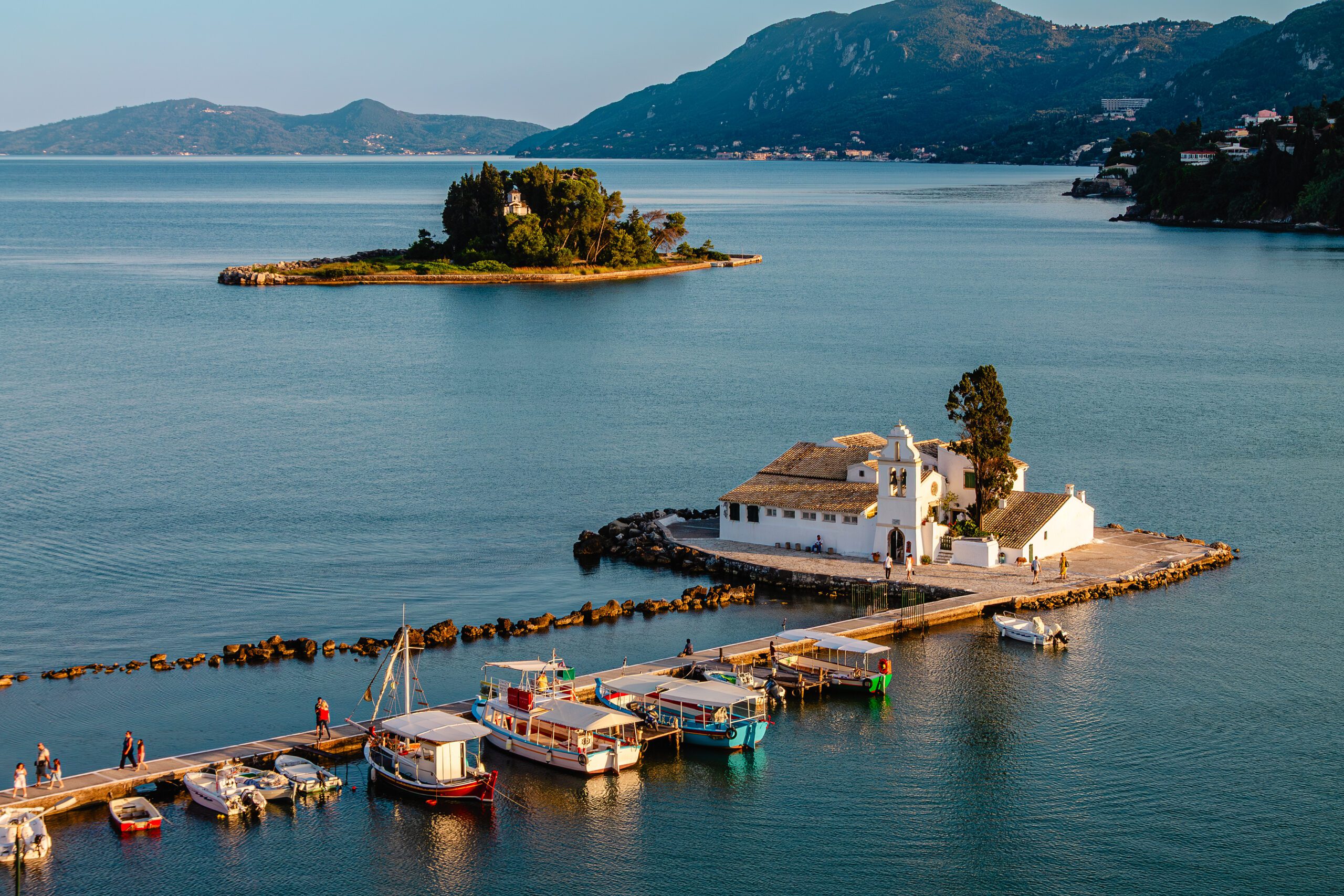
4. Corfu:
On the “Island of the Phaeacians,” the most famous Easter custom is the botides (clay pots). At 11:00 a.m. on Holy Saturday, residents throw large clay pots filled with water from their balconies to ward off evil and celebrate the First Resurrection.
This tradition dates back to Venetian rule. The Venetians, who were Catholic, used to throw out old items on New Year’s Day for good luck. The people of Corfu adopted this custom, moved it to Easter, and replaced old objects with clay pots to create a louder effect.
The loud noise is believed to drive away evil and misfortune, while the broken pieces are considered lucky charms.
5. Kalymnos:
Kalymnos, an island in the Dodecanese in the southeastern Aegean, is famous for its sponge divers and fishermen. However, during Easter, it feels like a battlefield.
The island’s tradition involves throwing dynamite continuously from the First Resurrection on Holy Saturday until Easter Sunday night.
This impressive display takes place on two hillsides overlooking Pothia: Agios Stefanos and Agios Savvas. The first stands out for the painted Greek flag on the rocks and the chapel of the Resurrection at its peak, while the second takes its name from the monastery and offers a panoramic view of the town.
On Easter Sunday afternoon, two groups climb opposite sides and transform the island into a scene of intense noise, competing to see who can throw the most and the loudest dynamite.
